

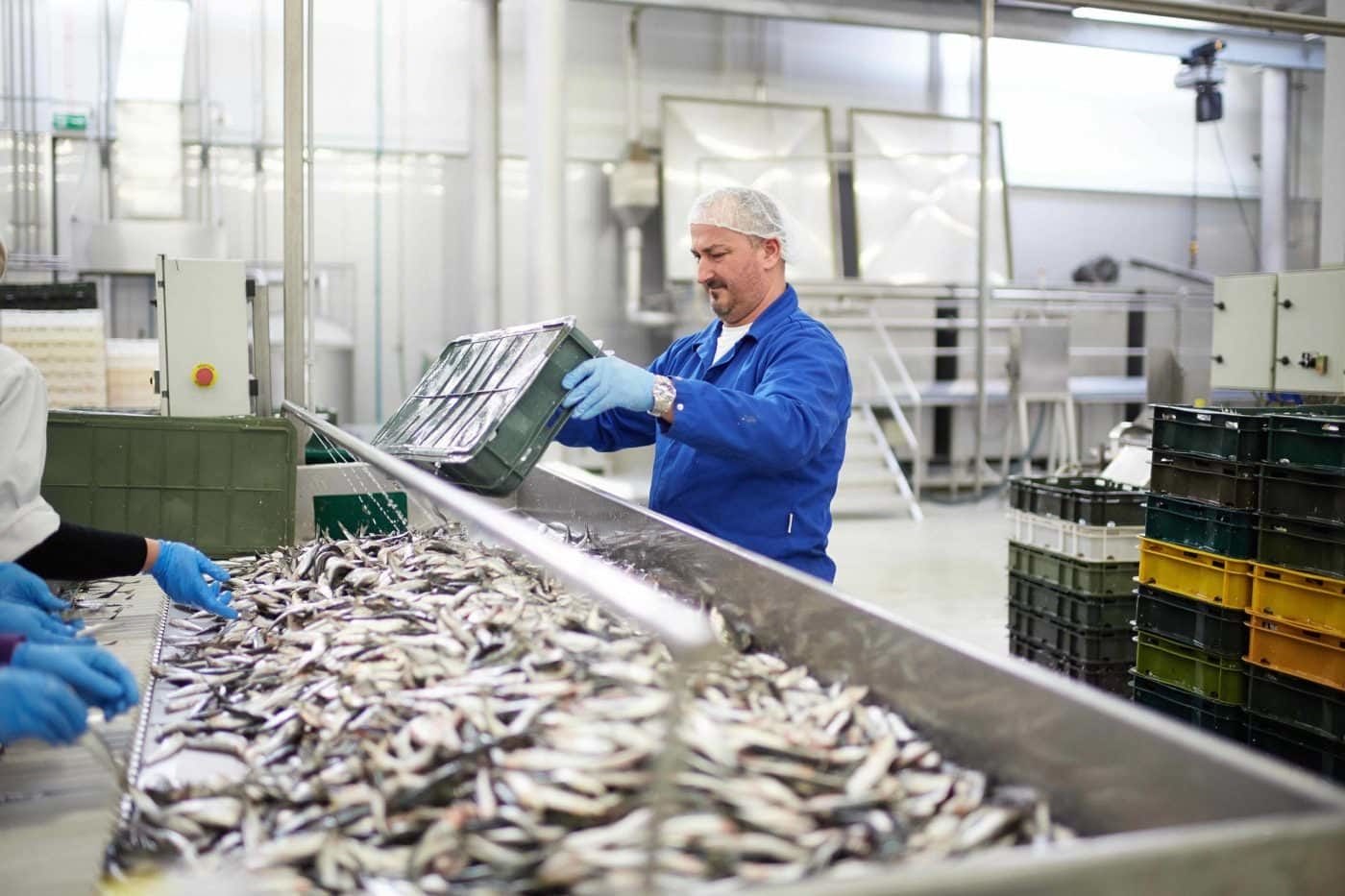
A well-presented tour offers only a limited view of how food is made. Visiting a seafood processing plant is more useful when the buyer follows a proposed product through the operation and asks for evidence behind the explanations. The aim is to understand how the site maintains control during ordinary work, including what happens when production does not go to plan.
Follow the Product Through Receiving and Production
Agree which product and process the visit will cover before arriving. A factory may handle several product types, and the area shown should be relevant to the goods you intend to buy. Request a simple process flow so that the movement from raw material receipt to packing and dispatch is easy to follow.
Observe how the site manages movement between activities with different hygiene needs. Raw seafood and cooked or ready-to-eat products require controls that prevent cross-contamination, including consideration of staff, equipment and materials. Ask the technical team to explain the arrangements rather than judging them solely by the appearance of floors or uniforms.
Ask What Happens When a Check Fails
Routine records become more informative when discussed alongside an example of a deviation. Ask the site to explain how it responded when a monitoring result fell outside an agreed limit, using an appropriate anonymised example if necessary. The explanation should identify the affected product, the decision taken and who authorised it.
This helps distinguish a completed form from an effective control. Establish how product is held while a concern is investigated and how release decisions are documented. Corrective action also needs to address the cause of the problem, so ask how the site checks whether a similar issue has recurred.
Food safety assessment should involve someone with relevant technical competence. A commercial buyer can ask useful questions, but a short visit is not a substitute for a properly scoped audit or specialist review. Agree how technical questions raised during the tour will be evaluated before the supplier is approved.
Check That Documents Describe the Proposed Work
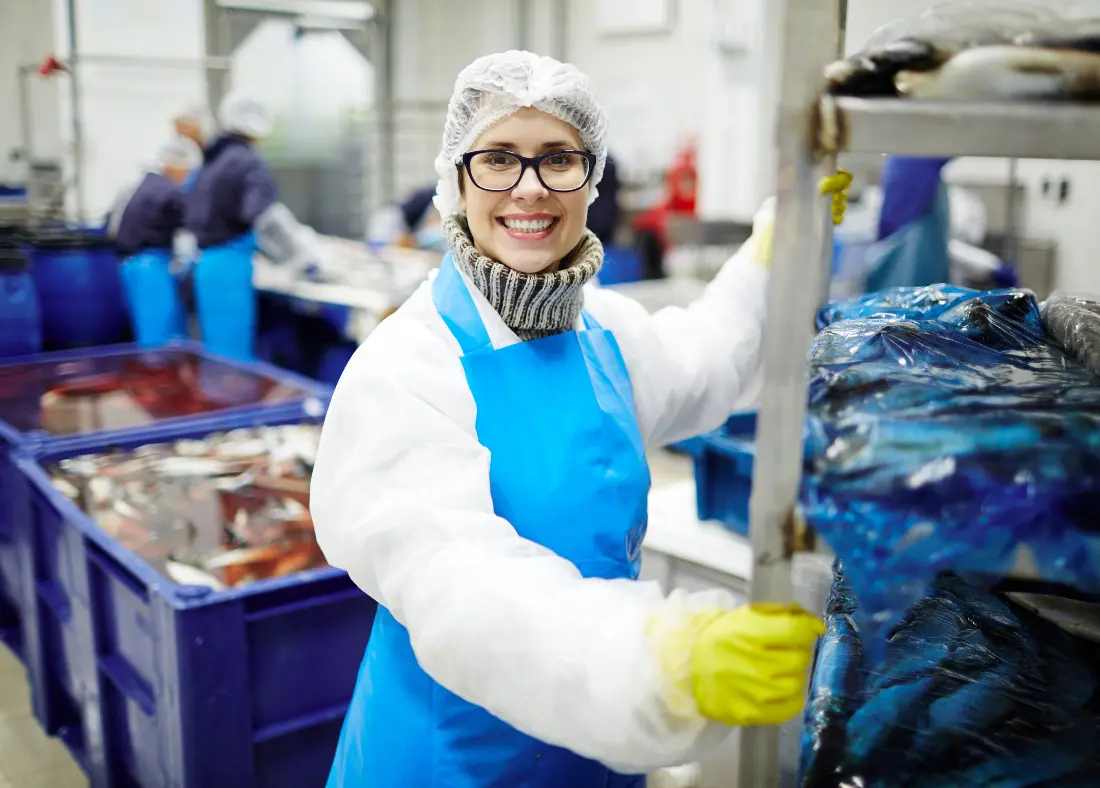
Review certificates for the correct site, current validity and relevant scope. A certificate covering one address or activity should not automatically be treated as evidence for a different factory or process. Clarify which operations are performed on site and whether any part of the proposed order will be subcontracted.
Training and maintenance deserve practical questions too. Ask how staff learn the checks required for their role and how equipment is kept suitable for use. Where the product depends on a particular measurement, establish how the site confirms that the instrument gives reliable results and retains the necessary records.
Look at Capacity During Busy Periods
Discuss how your order would fit the production schedule, including seasonal peaks and product changeovers. Nominal line capacity does not explain how much time is available after cleaning, maintenance and existing commitments. Ask who confirms delivery dates and how the buyer would be told about a delay.
Checking food safety controls as part of a working system gives the visit a clearer purpose. Bring the observations and requested records together, record unanswered questions and allocate follow-up actions to named people. Any important gap should be resolved through the appropriate technical review rather than disappearing into a general impression that the factory looked professional.
A useful visit leaves the buyer with a better understanding of the proposed product’s journey and the people responsible for it. Approval can then draw on relevant documents, observed practices and responses to specific questions. That is a stronger basis for a supply relationship than the tour alone, while recognising that ongoing performance still needs review.
Comments are closed.