

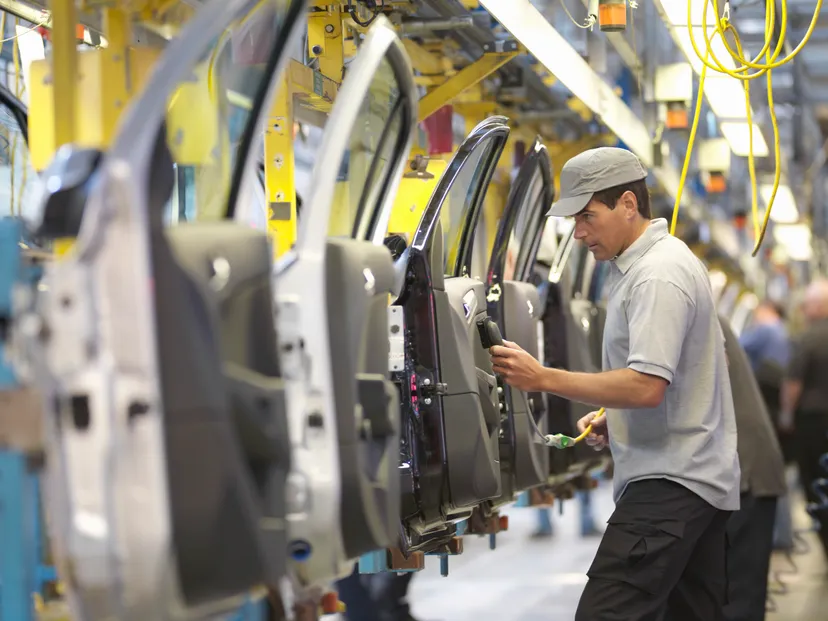
Manufacture is the backbone of economic growth and industrial progress. It refers to the transformation of raw materials into finished goods using machinery, labor, tools, and chemical or biological processing. From everyday household items to complex machinery and electronics, manufacturing plays a central role in shaping modern life and supporting global trade.
Understanding how manufacturing works helps businesses improve efficiency, reduce costs, and maintain product quality while meeting consumer demand.
What is Manufacture
Manufacture is the structured process of converting raw materials or components into finished goods through the use of tools, machinery, human effort, and technology. It typically takes place in factories or production facilities where processes are standardized for efficiency and consistency.
Key characteristics of manufacturing include
- Use of machinery and equipment
- Conversion of raw materials into finished products
- Standardized production methods
- Quality control procedures
- Distribution readiness after production
Manufacturing ranges from small-scale craft production to highly automated industrial systems operating at global scale.
History of Manufacturing
Manufacturing has evolved significantly over time. Early societies relied on manual craftsmanship, but the Industrial Revolution transformed production through mechanization and factory systems.
Major historical phases include
- Handcraft production in ancient civilizations
- Mechanized production during the Industrial Revolution
- Mass production with assembly lines in the twentieth century
- Automated and digital manufacturing in the modern era
Today, smart factories use robotics, artificial intelligence, and data analytics to optimize production efficiency and precision.
Manufacturing Process Steps
The manufacturing process involves several structured stages that ensure product quality and consistency.
1. Product Design
Engineers create product specifications based on customer needs, safety standards, and functional requirements.
2. Material Selection
Suitable raw materials are selected based on durability, availability, and cost-effectiveness.
3. Production Planning
Manufacturers determine production methods, schedules, workforce requirements, and machinery usage.
4. Processing and Assembly
Raw materials are transformed through machining, molding, forming, or assembling into final products.
5. Quality Control
Products undergo inspection and testing to ensure they meet established standards.
6. Packaging and Distribution
Finished goods are packaged and prepared for transportation to markets or customers.
Types of Manufacturing
Manufacturing can be categorized based on production methods and volume requirements.
Job Manufacturing
Products are made individually according to specific customer requirements.
Examples include
- Custom furniture
- Specialized machinery
- Tailored garments
Batch Manufacturing
Products are produced in groups or batches instead of continuous production.
Examples include
- Bakery products
- Pharmaceuticals
- Garment production
Mass Manufacturing
Large quantities of identical products are produced continuously using assembly lines.
Examples include
- Automobiles
- Electronics
- Household appliances
Continuous Manufacturing
Production runs continuously without interruption for long periods.
Examples include
- Petroleum refining
- Chemical processing
- Paper manufacturing
Importance of Manufacturing in Economic Development
Manufacturing contributes significantly to national growth and employment generation. It strengthens infrastructure and supports innovation across industries.
Major benefits include
- Creation of employment opportunities
- Contribution to national income
- Promotion of exports
- Development of supporting industries
- Encouragement of technological advancement
- Improvement in living standards
Countries with strong manufacturing sectors often experience faster industrial and economic progress.
Modern Manufacturing Technologies
Technology has transformed manufacturing into a faster, safer, and more efficient system.
Important technologies include
- Robotics for automation
- Computer numerical control machining
- Additive manufacturing using 3D printing
- Internet of Things integration
- Artificial intelligence for predictive maintenance
- Digital twins for simulation and testing
These technologies help manufacturers reduce errors and increase productivity.
Challenges in Manufacturing Industry
Despite its importance, manufacturing faces several operational and strategic challenges.
Common challenges include
- Rising raw material costs
- Skilled labor shortages
- Supply chain disruptions
- Environmental regulations
- Rapid technological changes
- Increasing competition in global markets
Addressing these challenges requires innovation, workforce training, and sustainable production strategies.
Role of Sustainable Manufacturing
Sustainable manufacturing focuses on reducing environmental impact while maintaining productivity.
Key practices include
- Efficient energy usage
- Waste reduction
- Recycling of materials
- Use of renewable resources
- Environment-friendly packaging
Sustainability helps companies remain competitive while protecting natural resources.
Future Trends in Manufacturing
Manufacturing is entering a new era shaped by digital transformation and intelligent automation.
Important future trends include
- Smart factories powered by data analytics
- Human and robot collaboration
- Cloud-based manufacturing systems
- Customized mass production
- Green manufacturing initiatives
These developments are expected to increase flexibility, reduce operational costs, and improve product quality.
Frequently Asked Questions
What is the main objective of manufacturing
The primary objective is to convert raw materials into finished products efficiently while maintaining quality and minimizing production costs.
How is manufacturing different from production
Production is a broader term that includes creating goods and services, while manufacturing specifically refers to producing physical goods from raw materials.
What industries rely heavily on manufacturing
Industries such as automotive, electronics, textiles, pharmaceuticals, construction materials, and food processing depend heavily on manufacturing systems.
Why is quality control important in manufacturing
Quality control ensures products meet safety standards, perform reliably, and maintain customer satisfaction.
What skills are required for manufacturing jobs
Common skills include technical knowledge, machine operation ability, problem solving, teamwork, and understanding of safety procedures.
How does automation improve manufacturing efficiency
Automation increases production speed, reduces human error, improves consistency, and lowers operational costs.
What is the role of digital technology in manufacturing today
Digital technology helps monitor operations in real time, optimize supply chains, improve maintenance planning, and support smarter decision making across production systems.
Comments are closed.