

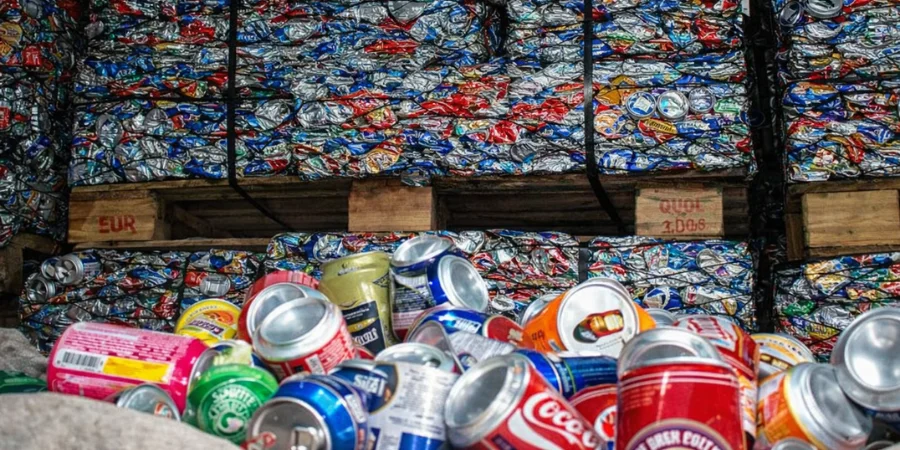
A shipment of used beverage cans can look consistent from the outside while leaving important questions about its contents unanswered. Before committing to an aluminum ubc scrap supplier, buyers should establish how the material will be described, inspected and accepted. The commercial agreement needs to connect the promised grade with the load that actually reaches the receiving site.
Define What Counts as an Acceptable Load
Used beverage can scrap, usually shortened to UBC, should have a more precise description than “recycled aluminium”. The purchase specification needs to identify the preparation method, permitted condition and material that must be excluded. This gives the seller a clear target and gives the receiving team something objective to check.
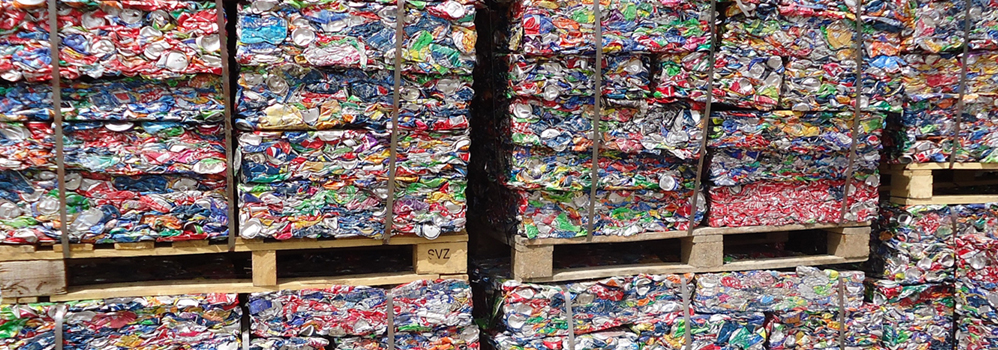
Where an industry grade is referenced, identify the applicable specification and record any agreed variations. Matters such as moisture, contamination, bale dimensions and packaging should not be left to assumptions. A brief written clarification before shipment is easier to manage than a disagreement after the buyer has paid for transport.
Request Evidence from the Material Being Shipped
General yard photographs can show that a seller handles scrap, but they do not establish the quality of a particular consignment. Request dated images and records tied to the proposed load, with sufficient identification to connect the evidence to the delivery documents. Views of several bales are more informative than one carefully presented example.
Inspection also needs a sampling method that recognises the limits of surface checks. Agree how representative material will be selected and who will carry out any opening, handling or testing under safe site procedures. If independent inspection is required, define its scope before booking it; a weight check alone does not answer questions about composition.
Keep Purchased Weight Separate from Recoverable Metal
The weight on a delivery ticket is not necessarily the amount of usable metal the process will recover. Non-metallic contamination, retained liquid and processing losses can affect that relationship. Buyers therefore need to distinguish evidence about the shipment from assumptions about their own recovery performance.
For a new source, consider a manageable trial quantity and record its results through the normal process. Compare the purchase and handling cost with the usable output, while recognising that recovery also depends on the receiving plant. A good trial helps set expectations, but it should not become an unsupported guarantee for every later delivery.
Agree the Arrival and Dispute Procedure in Advance
The receiving team should know which weights and documents govern acceptance, how discrepancies will be recorded and when the seller must be notified. Identify who can authorise unloading or quarantine and what evidence is needed for a claim. These arrangements prevent a commercial deadline from forcing a rushed quality decision.
Transport details matter too. Check that the delivery format suits unloading equipment and available storage, and that the documentation identifies the agreed material and shipment. If a load is rejected, responsibility for collection, storage and related charges should already be understood rather than negotiated around an obstructed receiving area.
Safety belongs in that acceptance process. The Aluminum Association’s guidance on scrap receiving and inspection addresses the hazards associated with moisture and contamination in purchased scrap. A load passing commercial checks does not remove the need for the receiving facility’s own safety assessment before processing.
A dependable UBC purchase starts with an agreement that can be checked in practice. When the specification, shipment evidence and arrival procedure all refer to the same material, both parties have a clearer basis for resolving differences. That protects the usefulness of the supply relationship beyond the first successful delivery.
Comments are closed.