

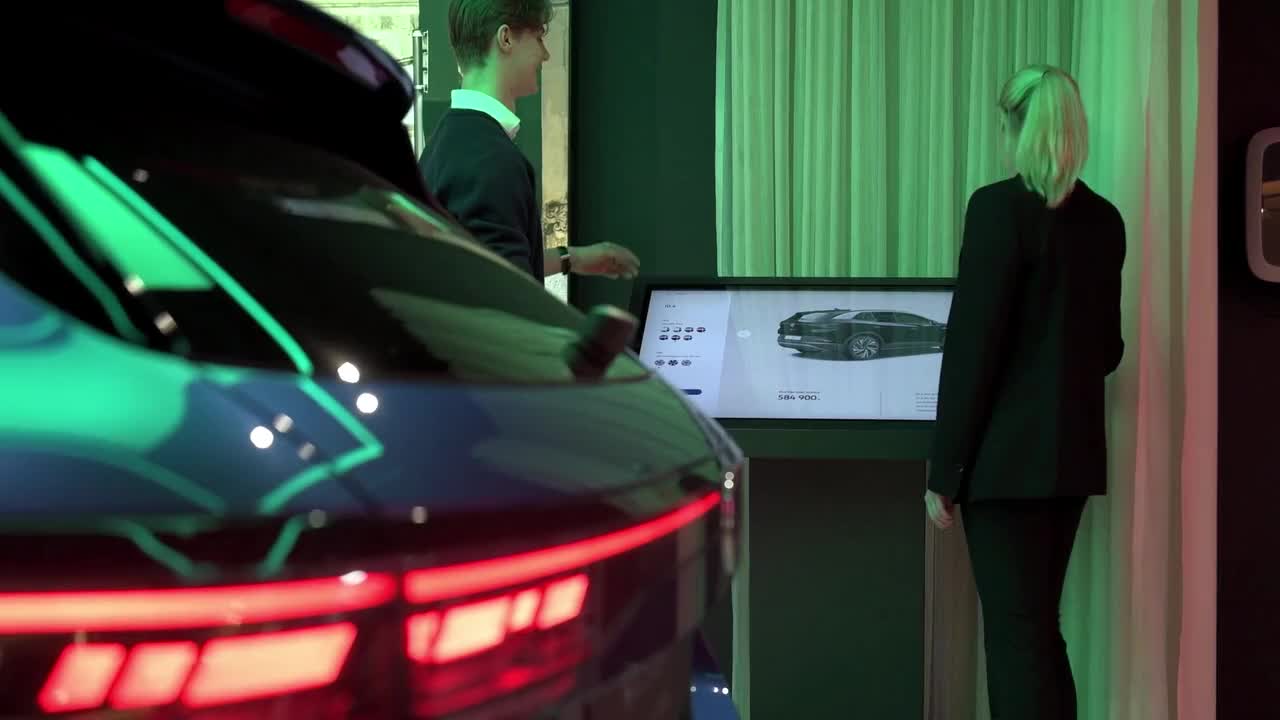
Digital transformation is redefining how automotive dealerships operate, interact with customers, and generate revenue. Traditional showroom-driven sales models are evolving into integrated digital experiences that combine online research, virtual engagement, data-driven marketing, and streamlined service operations. Dealerships that adapt early are improving customer satisfaction, increasing operational efficiency, and strengthening long-term competitiveness.
Understanding how digital tools influence dealership performance helps business owners prepare for the future of automotive retail.
Changing Customer Expectations in the Digital Era
Modern vehicle buyers begin their purchasing journey online long before visiting a dealership. They expect quick access to vehicle information, transparent pricing, and flexible communication channels.
Digital transformation helps dealerships meet these expectations through:
- Online vehicle inventory browsing
- Virtual vehicle configuration tools
- Transparent pricing visibility
- Instant appointment booking systems
- Digital communication channels
Meeting customers where they begin their research improves engagement and increases conversion opportunities.
Rise of Online Vehicle Sales Platforms
Dealerships are increasingly integrating online purchasing options into their business models. Customers now prefer completing significant portions of the buying process remotely.
Online sales platforms support:
- Remote vehicle selection
- Digital financing applications
- Trade-in valuation tools
- Home delivery coordination
- Electronic documentation processing
These capabilities reduce friction in the purchase journey and accelerate decision-making.
Role of Customer Relationship Management Systems
Customer relationship management systems help dealerships track interactions across multiple touchpoints. This improves communication consistency and strengthens long-term relationships.
CRM platforms enable dealerships to:
- Monitor customer preferences
- Track follow-up schedules
- Manage service reminders
- Personalize marketing campaigns
- Improve retention strategies
Stronger customer relationships often translate into repeat purchases and service loyalty.
Virtual Showrooms Enhancing Buyer Engagement
Virtual showroom experiences allow customers to explore vehicles remotely with high levels of detail. This expands dealership reach beyond physical location limits.
Virtual engagement tools include:
- Interactive 360-degree vehicle views
- Live video consultations with sales advisors
- Remote vehicle demonstrations
- Digital comparison tools
These experiences create confidence before customers visit the dealership in person.
Data Analytics Supporting Smarter Sales Decisions
Data analytics enables dealerships to understand customer behavior patterns and market demand more accurately. Instead of relying only on past experience, managers can make evidence-based decisions.
Analytics tools support:
- Inventory optimization planning
- Pricing strategy adjustments
- Sales forecasting improvements
- Campaign performance evaluation
- Customer segmentation targeting
These insights help dealerships respond faster to market changes.
Digital Marketing Transforming Lead Generation
Traditional advertising methods are being replaced by targeted digital campaigns that reach customers earlier in their buying journey.
Modern dealership marketing strategies include:
- Search engine visibility improvements
- Social media engagement campaigns
- Personalized email outreach
- Online reputation management
- Location-based advertising strategies
Digital marketing increases both lead quality and conversion efficiency.
Integration of Online Service Scheduling Systems
Service departments are critical revenue contributors for dealerships. Digital scheduling platforms simplify maintenance appointment management and improve workshop efficiency.
Online service scheduling enables:
- Faster appointment booking
- Automated reminders
- Transparent service timelines
- Improved technician workload planning
- Enhanced customer convenience
Convenience increases customer satisfaction and encourages repeat visits.
Use of Artificial Intelligence in Dealership Operations
Artificial intelligence tools are helping dealerships automate routine processes and improve customer interactions.
AI applications include:
- Chat-based customer support assistance
- Predictive service reminders
- Lead qualification automation
- Demand forecasting support
- Inventory recommendation systems
These technologies improve responsiveness while reducing operational pressure on staff.
Digital Financing Solutions Simplifying Vehicle Purchases
Financing plays a major role in vehicle purchasing decisions. Digital lending tools make approval processes faster and more transparent.
Digital financing systems support:
- Online credit evaluation
- Instant financing eligibility checks
- Flexible payment plan visibility
- Electronic documentation handling
- Faster approval turnaround times
Simplified financing improves customer confidence during the purchase process.
Future Outlook for Digitally Enabled Dealership Models
Automotive dealerships are transitioning toward hybrid retail environments where online and offline experiences operate together seamlessly. Dealerships that invest in digital infrastructure today are better positioned to adapt to future mobility trends and changing customer expectations.
As connected vehicles, subscription ownership models, and mobility services expand, digital readiness will become an essential component of dealership success.
Frequently Asked Questions
1. What is the biggest advantage of digital transformation for automotive dealerships
The biggest advantage is improved customer convenience combined with more efficient internal operations.
2. Can small dealerships benefit from digital transformation as much as large dealerships
Yes. Smaller dealerships often see faster improvements because digital tools help them compete more effectively with larger networks.
3. Do virtual showrooms replace physical dealership visits completely
Virtual showrooms support decision-making but most customers still prefer visiting dealerships before finalizing purchases.
4. How does digital transformation improve inventory management in dealerships
Digital systems track vehicle availability in real time and align stock levels with demand patterns.
5. Are digital marketing strategies more effective than traditional dealership advertising
Digital marketing typically produces higher engagement because campaigns can be targeted more precisely.
6. How do online service scheduling tools improve workshop productivity
They help distribute appointments evenly and reduce waiting times for customers and technicians.
7. What skills do dealership employees need for digital transformation success
Employees benefit from training in customer communication platforms, analytics dashboards, digital documentation systems, and online engagement tools.
Comments are closed.